Musée Pasteur
Paris
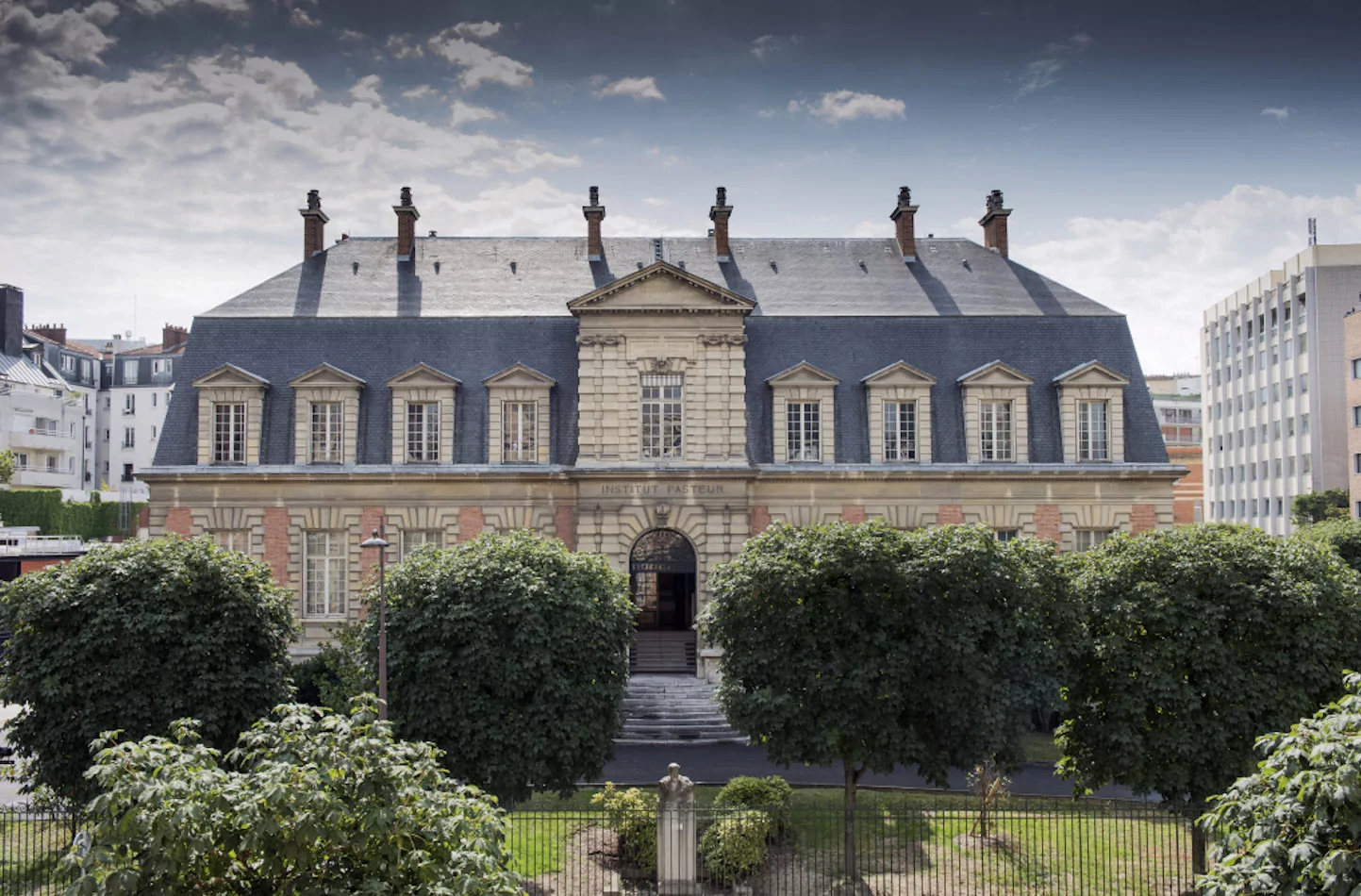
For the last seven years of his life, Louis Pasteur resided in a staff apartment located on the upper floor of the main building of the Institute. In the 1930s, his grandson, Louis Pasteur Vallery-Radot, donated all the furniture and objects that had belonged to their grandparents, with the intention of restoring the original layout piece by piece. The museum opened to the public in 1935; the building was classified as a historical monument in 1981.
The site serves as both a scientific memorial and an authentic testimony of late 19th-century Parisian bourgeois domestic life. The salon, dining room, bedroom, and study retain their original drapery, furniture, and personal objects, displayed alongside laboratory instruments, swan-neck flasks, and mementos brought back by the scientist himself.
The tour concludes with the Byzantine-inspired funerary chapel, built in a basement according to plans by architect Charles Girault. The crypt where Pasteur and his wife rest is entirely clad in mosaics executed by the Parisian studio Guilbert-Martin following cartoons by painter Luc-Olivier Merson: there, golden compositions allegorically depict the various fields of work of this scientist, from fermentation to vaccination.
The museum is currently closed for renovations; its reopening is scheduled for 2027.
All exhibitions and places in and around Paris on Groom