Musée de la Vie romantique
Paris
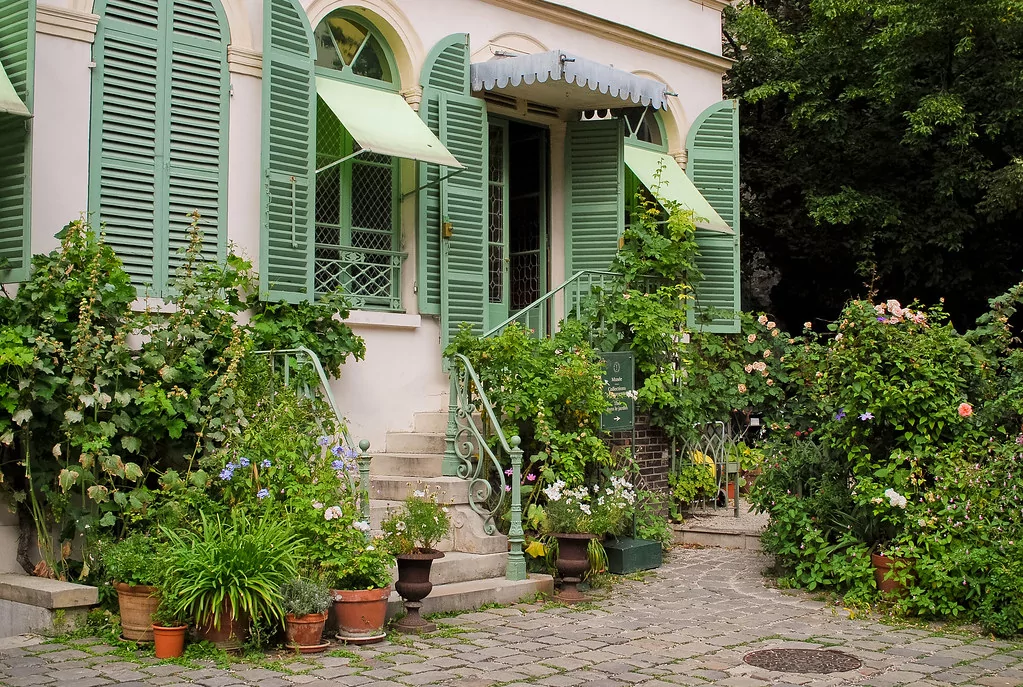
At the end of an alleyway, behind a gate, stands a pavilion from 1830 flanked by two artist studios and a greenhouse, surrounded by a garden featuring century-old trees, roses, and fuchsias. The Dutch-born painter Ary Scheffer lived there from 1830 until his death in 1858 and hosted every Friday evening: Liszt, Ingres, Lamartine, Turgenev, La Mennais, Gobineau, as well as the neighbors of the New Athènes district—Pauline Viardot, Chopin, and George Sand.
The property then passed down through the family: Cornélia, the painter's daughter, purchased the estate from which her father had only been a tenant; it subsequently came into the hands of Ernest Renan's family, who became relatives by marriage in 1862. In 1956, the last occupant, Corrie Siohan, donated the property to the State for one symbolic franc on condition that its status remain inalienable; the Scheffer-Renan ensemble was inscribed as a historical monument later that same year.
The first museum opened in 1983 under the patronage of Carnavalet. In 1987, a renovation entrusted to decorator Jacques Garcia reconfigured the interiors in late nineteenth-century style: tapestries, closely hung wall hangings, and furniture recreating the atmosphere of an Athenian New Salon bourgeois parlor.
The ground floor is dedicated to George Sand — paintings, drawings, jewelry, furniture, and display objects from her Nohant estate, bequeathed by her granddaughter to the City of Paris in 1928. The upper floor evokes Scheffer, his contemporaries, and Renan. The former workshops host two temporary exhibitions annually.
All exhibitions and places in and around Paris on Groom