Musée National de la Renaissance
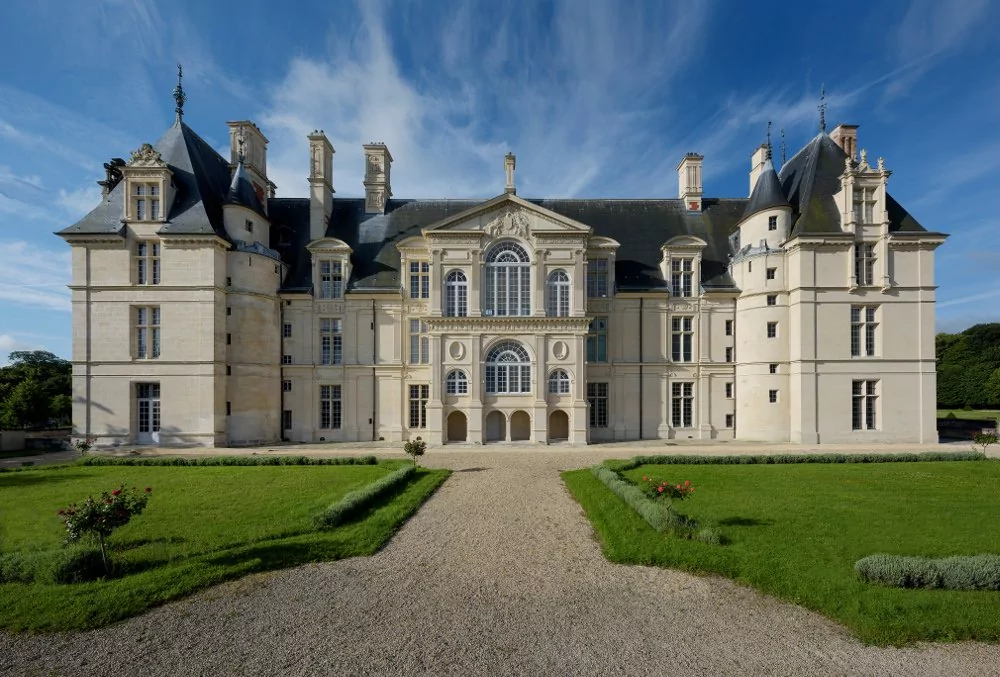
It occupies the Château d'Écouen, built between 1538 and 1555 at the request of Anne de Montmorency, Constable of France and one of the most powerful figures in the kingdom under Francis I and Henry II. The architect Jean Bullant worked notably on the courtyard and wings of the château, contributing to making it a striking example of French Renaissance architecture, blending Italian influences with local building traditions.
The building is distinguished by its quadrilateral plan around an inner courtyard, its facades articulated with pilasters and classical pediments, as well as the richness of its interior decoration: painted fireplaces adorned with biblical and mythological scenes, coffered ceilings and stained glass dating from the mid-16th century, executed in the spirit of the Fontainebleau school. The castle chapel also constitutes a notable architectural element, featuring an altar and sculpted elements characteristic of the decorative repertoire of the period.
Remaining in the Montmorency family until 1632, the château subsequently underwent several changes of use before being classified as a historic monument in 1862. Under the impetus of the Ministry of Culture at the end of the 1960s, the building was restored and reconfigured to house the Renaissance decorative arts collections, opening its doors to the public in its current museum form during the 1970s. Today, the museum preserves tapestries, furniture, ceramics, and arms from this period within an architectural setting that stands as a major piece of the collection in itself.
All exhibitions and places in and around Paris on Groom